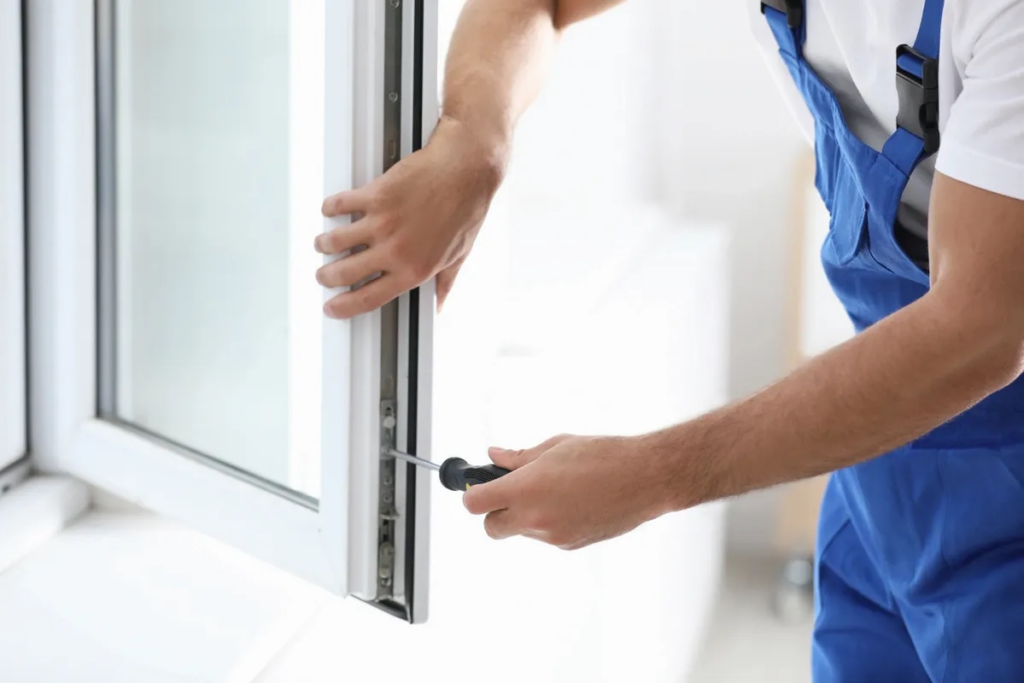
Quick Window Repair: A Comprehensive Guide to Maintaining Your Home's Integrity
Maintaining the integrity of your home's windows is essential for both aesthetic and practical factors. Whether it's a minor fracture, a broken pane, or a stuck window, attending to these concerns promptly can save you from more considerable issues down the line. sell provides an in-depth guide on how to perform quick window repairs, providing practical tips and detailed guidelines to assist you keep your windows in leading condition.
Understanding Common Window Issues
Before diving into the repair process, it's vital to identify the typical concerns that can occur with windows. Here are some of the most frequent problems house owners deal with:
- Cracked or Broken Glass
- Drafty Windows
- Stuck or Jammed Windows
- Dripping Windows
- Fogged Insulated Glass Units (IGUs)
- Damaged Window Frames
Tools and Materials Needed
To tackle many window repairs, you will need a few fundamental tools and materials. Here's a list to get you started:
- Safety Gear: Gloves, shatterproof glass, and a dust mask.
- Tools: Screwdriver, hammer, sculpt, pliers, putty knife, and a measuring tape.
- Materials: Replacement glass, glazing putty, window glaze, silicone sealant, weatherstripping, and lube.
Step-by-Step Guide to Quick Window Repair
1. Broken or Broken Glass
Actions:
- Safety First: Wear gloves and security glasses to protect yourself from sharp edges.
- Remove the Broken Glass: Carefully get rid of any remaining pieces of glass using a pair of pliers. Use a putty knife to remove the old glazing putty and metal points holding the glass in location.
- Step the Opening: Use a measuring tape to get the specific dimensions of the window opening.
- Cut the New Glass: Have a professional cut a new piece of glass to fit the opening. Additionally, you can utilize a glass cutter to do it yourself if you are experienced.
- Install the New Glass: Apply a thin layer of glazing putty around the edges of the window frame. Thoroughly put the new glass into the frame and secure it with new metal points.
- Seal the Edges: Smooth the glazing putty around the edges with a putty knife. Allow it to dry according to the producer's directions.
- Paint the Putty: Once the putty is dry, paint it to match the window frame.
2. Drafty Windows
Steps:
- Inspect the Window: Check for gaps or fractures where air is leaking through.
- Apply Weatherstripping: Cut weatherstripping to fit the gaps around the window frame. Adhesive-backed weatherstripping is easy to use and efficient.
- Seal the Gaps: Use silicone sealant to fill any staying spaces. Apply a thin, even layer and smooth it out with a caulk gun.
- Install a Window Insulator Kit: These packages include a clear plastic film that you can apply to the window to create an extra barrier against drafts.
3. Stuck or Jammed Windows
Steps:
- Identify the Problem: Determine if the window is stuck due to paint, debris, or a mechanical concern.
- Tidy the Tracks: Remove any dirt or debris from the window tracks utilizing a putty knife and a vacuum.
- Lubricate the Tracks: Apply a silicone-based lubricant to the tracks to help the window move efficiently.
- Break the Paint Seal: If the window is stuck due to paint, use a putty knife to carefully break the seal around the edges.
- Change the Window: If the window is still stuck, you might require to change the hinges or the sash to guarantee correct alignment.
4. Leaky Windows
Actions:
- Locate the Leak: Determine where the water is going into the window. Common areas consist of the corners, the sill, and around the frame.
- Eliminate Old Sealant: Use a putty knife to remove any old, scrubby sealant.
- Use New Sealant: Apply a new layer of silicone sealant around the leaking locations. Ensure the sealant is smooth and even.
- Look For Structural Issues: If the leakage persists, it may suggest a more significant structural problem. Speak with a professional for more evaluation and repair.
5. Fogged Insulated Glass Units (IGUs)
Steps:
- Identify the Cause: Fogging usually happens when the seal between the two panes of an IGU is broken, enabling moisture to get in.
- Replace the IGU: In a lot of cases, the entire IGU will need to be replaced. Measure the measurements of the old unit and order a new one from a manufacturer.
- Install the New IGU: Remove the old unit and tidy the frame. Install the new IGU, ensuring it is effectively seated and sealed.
6. Damaged Window Frames
Steps:
- Assess the Damage: Determine if the frame can be fixed or if it requires to be replaced. Small fractures or chips can frequently be fixed, while more substantial damage may need a new frame.
- Repair Minor Damage: For little cracks, utilize wood filler or epoxy to patch the damaged area. Sand the area smooth and paint to match the rest of the frame.
- Replace the Frame: For more comprehensive damage, you will need to replace the entire frame. Procedure the dimensions of the old frame and acquire a brand-new one. Follow the maker's instructions for setup.
Tips for Preventing Window Issues
- Routine Maintenance: Clean your windows and window tracks regularly to avoid accumulation of dirt and particles.
- Examine for Damage: Conduct routine inspections to catch any signs of damage early.
- Protect from Elements: Use window treatments or awnings to protect windows from direct sunlight and extreme weather conditions.
- Seal Gaps: Apply weatherstripping and sealant to avoid drafts and leakages.
- Oil Moving Parts: Regularly lube window tracks and hinges to ensure smooth operation.
Frequently Asked Questions (FAQs)
Q: Can I repair a broken window myself?
A: Yes, you can repair a cracked window yourself if you have the needed tools and follow the actions carefully. However, if the fracture is comprehensive or you are unpleasant with the process, it is best to consult a professional.
Q: How typically should I replace weatherstripping?
A: Weatherstripping typically lasts 5-10 years, but it can deteriorate faster in harsh environments. Examine it each year and replace it if it reveals signs of wear or if your windows are drafty.
Q: What is the very best type of sealant for windows?
A: Silicone sealant is frequently the very best option for windows due to its durability and versatility. It can withstand temperature level changes and resist UV rays, making it ideal for outdoor use.
Q: Can I repair a fogged window without changing it?
A: It is possible to momentarily repair a fogged window by drilling small holes in the IGU to allow the wetness to get away and then resealing it. However, this is only a short-term solution. For a lasting fix, the IGU needs to be replaced.
Q: How do I understand if my window frame needs to be replaced?
A: Signs that your window frame requires to be replaced consist of substantial breaking, rot, or warping. If the frame is no longer structurally sound or if it is causing the window to operate poorly, it is time for a replacement.
Quick window repair is a valuable skill that can help you preserve the comfort, energy performance, and visual appeal of your home. By dealing with minor issues immediately and following the steps laid out in this guide, you can extend the life of your windows and prevent more pricey repairs in the future. Whether you are handling a broken pane, a drafty window, or a stuck sash, the right tools and methods can make the repair process simple and reliable.
For more complex or comprehensive damage, do not be reluctant to call a professional. They have the proficiency and experience to guarantee your windows are brought back to their optimal condition. With routine maintenance and prompt repairs, your windows will continue to serve you well for many years to come.